Home / Fire Fighter Trainig
In a country experiencing unprecedented industrial and construction growth like Saudi Arabia, where mega-projects and economic diversification under Vision 2030 are reshaping skylines and creating vast new workplaces, fire safety training in Saudi Arabia is not just a regulatory compliance checkbox—it’s a critical, life-saving survival skill. The bustling industrial zones, towering construction sites, and expanding manufacturing hubs across Riyadh, Jeddah, and the Eastern Province have made effective fire safety competence more vital than ever for every single worker and manager. At Globalarab, we understand that the unique fire risks present in the Saudi environment—from oil and gas facilities to high-rise construction and dense commercial complexes—demand specialized knowledge. That’s precisely why we provide comprehensive fire safety training in Saudi Arabia that is meticulously designed for the local market, expertly blending internationally recognized firefighting protocols with the specific, mandatory requirements of the Saudi Civil Defense and the Ministry of Human Resources.
Our mission is to build a safer Kingdom by empowering its workforce. Whether you are an industrial technician, a facilities manager responsible for hundreds of employees, a dedicated safety professional seeking advanced certification, or a business owner ensuring your company’s compliance and resilience, our certified and practical fire safety training in Saudi Arabia is your definitive solution. We go far beyond theoretical lectures. Our courses are engineered to equip you with the hands-on, practical skills and the confident mindset necessary to proactively prevent fire hazards, respond decisively to active emergencies, and control dangerous situations effectively, thereby protecting lives, property, and the continuity of Saudi Arabia’s remarkable growth story. Investing in quality fire safety training in Saudi Arabia is an investment in the very foundation of a secure and sustainable future for all.
Fire represents one of the most devastating risks facing businesses and communities in Saudi Arabia. From the massive industrial complexes in Jubail to the towering skyscrapers of Riyadh, the potential for fire emergencies is ever-present. Yet, with proper training and preparation, these risks can be managed effectively.
At Global Arab, we’ve witnessed firsthand how quality fire fighting training transforms organizations. We’ve seen employees who once panicked at the sight of smoke become confident emergency responders. We’ve watched companies transform from being vulnerable to fire risks to becoming models of fire safety excellence.
This comprehensive guide explores everything you need to know about fire fighting courses—from basic awareness to advanced certification. Whether you’re a safety manager looking to train your team or an individual seeking to develop life-saving skills, you’ll find essential information to guide your fire safety journey.
Fire Safety Training Saudi Arabia are structured training programs designed to equip individuals with the knowledge and skills to prevent, respond to, and manage fire emergencies. These courses range from basic awareness sessions to advanced technical training for professional firefighters.
At Global Arab, we believe fire fighting training should be comprehensive, practical, and immediately applicable. Our courses are built on this philosophy, ensuring every participant gains usable skills that could save lives and property.
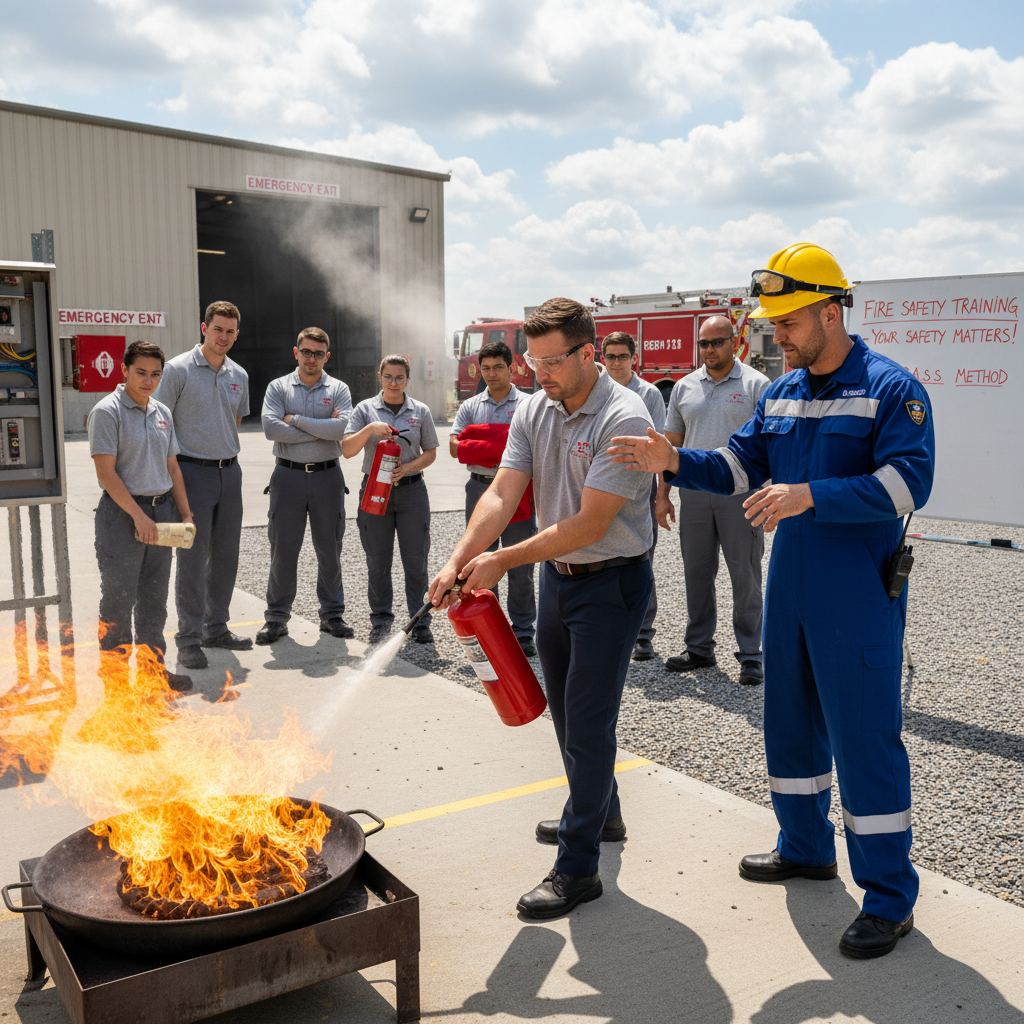
The unique landscape of Saudi Arabia presents specific fire safety challenges:
Industrial Growth: The Kingdom’s rapid industrial expansion means more complex fire risks in sectors like oil and gas, construction, and manufacturing.
Climate Conditions: Extreme temperatures and dry conditions increase fire risks, particularly in desert regions and during summer months.
Urban Development: High-rise buildings and large commercial complexes require specialized fire response strategies.
Regulatory Environment: Saudi Civil Defense and other authorities have established strict fire safety requirements that businesses must follow.
Our most popular course serves as the foundation for all fire safety knowledge:
Course Content:
Fire science and behavior fundamentals
Classification of fires (A, B, C, D, K)
Proper use of portable fire extinguishers
Emergency evacuation procedures
Fire prevention strategies
Hands-On Training:
Live fire extinguisher practice
Emergency scenario simulations
Evacuation drill leadership
Fire safety equipment familiarization
Duration: 1 day (8 hours)
Certification: Valid for 2 years
Specifically designed for manufacturing, oil and gas, and industrial settings:
Advanced Topics Covered:
Flammable liquid fire risks
Electrical fire safety
Chemical fire response
Industrial fire protection systems
Emergency shutdown procedures
Practical Components:
Hose line operations
Fire blanket applications
Industrial extinguisher systems
Team response coordination
For employees designated with fire safety responsibilities:
Key Learning Objectives:
Emergency evacuation leadership
Fire safety inspections
Emergency equipment maintenance
Coordination with emergency services
Record-keeping and reporting
Scenario Training:
Building evacuation management
Person accounting procedures
Emergency communication systems
Working with Saudi Civil Defense
For safety professionals and emergency response teams:
Specialized Skills:
Search and rescue operations
Breathing apparatus use
Structural fire fighting
Hazardous materials fire response
Incident command systems
What makes Global Arab’s fire fighting courses uniquely effective for Saudi organizations?
Saudi Regulatory Knowledge:
Our courses are designed to meet and exceed Saudi Civil Defense requirements. We stay current with regulatory changes and ensure our training reflects the latest standards.
Cultural and Linguistic Adaptation:
Bilingual instruction (Arabic/English)
Culturally appropriate training methods
Local case studies and examples
Understanding of Saudi workplace dynamics
Industry-Specific Applications:
We customize our training to address the specific fire risks in:
Oil and gas facilities
Construction sites
Manufacturing plants
Commercial buildings
Healthcare facilities
Our training team includes:
Former Civil Defense officers
Industrial safety veterans
International fire safety experts
Professional firefighters
This combination ensures our participants learn both theoretical knowledge and practical wisdom gained from real emergency experiences.
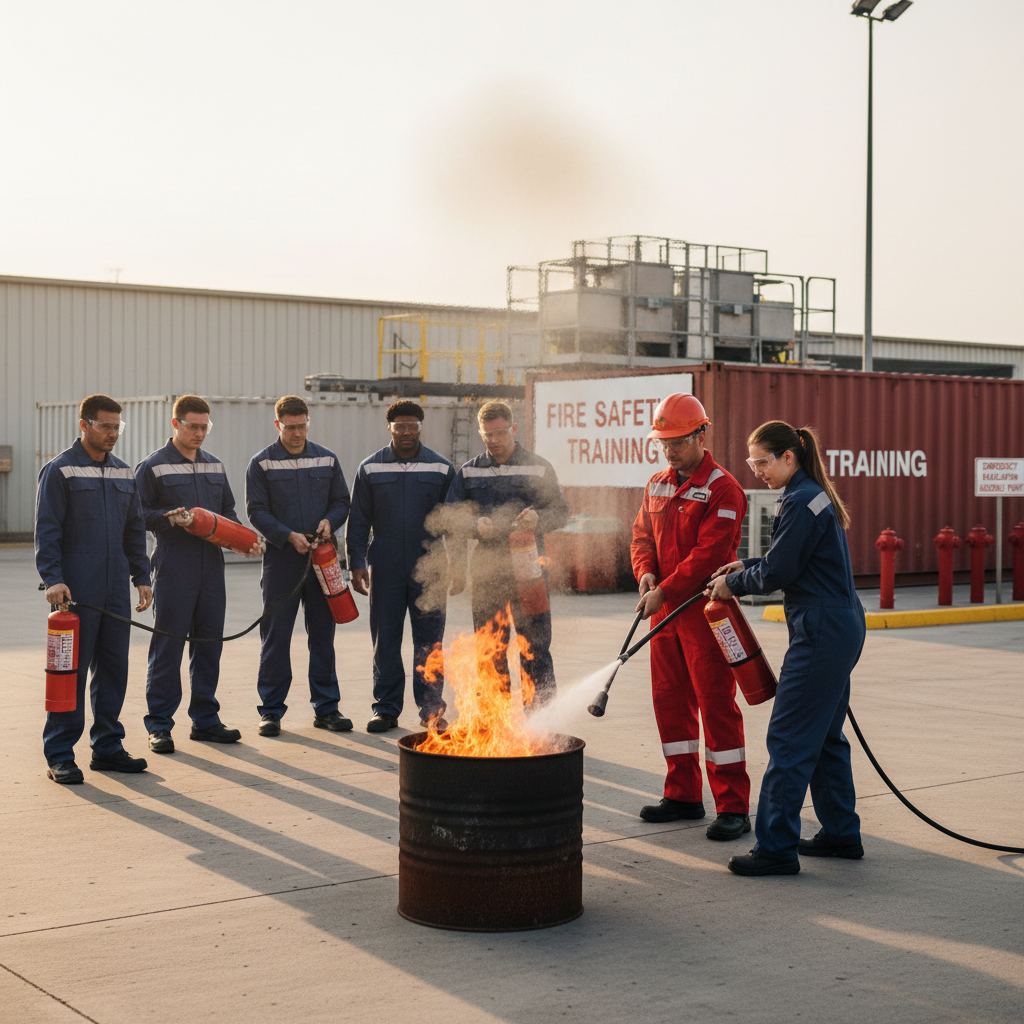
Understanding fire behavior is the foundation of effective fire fighting:
The Fire Triangle:
Fuel sources and their properties
Oxidizing agents and their roles
Ignition sources and energy
Breaking the triangle to extinguish fires
Fire Development:
Incipient stage recognition
Growth phase management
Fully developed fire characteristics
Decay stage understanding
Prevention is always better than response. Our courses emphasize:
Hazard Identification:
Common workplace fire hazards
Electrical safety inspections
Storage and housekeeping standards
Hot work permit systems
Risk Assessment:
Systematic hazard evaluation
Risk prioritization methods
Control measure implementation
Ongoing monitoring procedures
Hands-on experience is crucial for building confidence:
Extinguisher Types:
Water and foam extinguishers
Carbon dioxide systems
Dry chemical applications
Specialized extinguishing agents
Proper Technique:
P.A.S.S. method mastery
Appropriate distance positioning
Attack angle optimization
Multiple extinguisher use
When prevention fails, response becomes critical:
Alarm Response:
Emergency alert systems
Communication protocols
Initial assessment procedures
Response team activation
Evacuation Management:
Exit route familiarity
Assembly point procedures
Person accounting methods
Special needs assistance
While theoretical knowledge provides the foundation, true competence in fire safety comes from hands-on practice with real equipment. At Global Arab, we’ve observed a critical gap in many training programs: participants learn about fire safety equipment but never actually use it until an emergency occurs. This gap can prove disastrous when seconds count.
In Saudi Arabia’s diverse industrial landscape—from the confined spaces of oil rigs to the vast floors of manufacturing plants—knowing how to operate fire safety equipment correctly under pressure is non-negotiable. This section delves into the essential equipment training that transforms theoretical knowledge into life-saving action.
Understanding Extinguisher Types in Saudi Context:
Water and Foam Extinguishers (Class A)
Ideal for: Wood, paper, textile fires common in warehouses and offices
Saudi-specific consideration: Effectiveness in high-temperature environments
Training focus: Spray patterns, distance optimization, re-ignition prevention
Carbon Dioxide Extinguishers (Class B, C)
Ideal for: Electrical fires and flammable liquids
Training focus: Nozzle handling (avoiding frostbite), ventilation considerations
Special Saudi application: Computer server rooms, laboratory safety
Dry Chemical Extinguishers (ABC Multipurpose)
Most common in Saudi industrial settings
Training focus: Cleanup considerations, visibility issues during discharge
Equipment maintenance: Saudi climate impact on powder clumping
Wet Chemical Extinguishers (Class K)
Essential for: Commercial kitchens across Saudi hotels and restaurants
Training focus: Specialized for cooking oil/grease fires
Saudi regulation compliance: Required in all commercial food establishments
Hands-On Training Components:
Live Fire Simulation: Controlled fire scenarios using our propane-fueled training systems
Pressure Gauge Reading: Identifying functional vs. compromised equipment
Weight and Balance Training: Handling different extinguisher sizes (2kg to 9kg)
Discharge Timing Practice: Understanding actual extinguishing capacity vs. labeled ratings
Industrial and Commercial Applications:
Standpipe System Training:
High-rise building procedures (critical for Saudi’s skyscraper-filled cities)
Coupling and uncoupling under pressure
Nozzle control techniques
Team coordination drills
Hydrant Operations:
Saudi municipal water system familiarization
Pressure regulation techniques
Temporary system setup for construction sites
Maintenance and inspection protocols
Training Equipment Used at Global Arab:
Actual fire hose systems (not simulated)
Working hydrant connections
Pressure gauges and flow meters
Various nozzle types (fog, straight stream, combination)
Beyond Kitchen Fires:
Industrial Uses in Saudi Arabia:
Small machinery fires
Clothing fire emergencies
Containing flammable liquid spills
Welding and hot work protection
Training Techniques:
Proper deployment methods
Victim approach and coverage
Smothering vs. wrapping techniques
Post-incident handling procedures
Sprinkler System Operations:
Activation mechanisms and triggers
Zone control valve operations
Maintenance and testing procedures
Emergency manual activation protocols
Fire Alarm and Detection Systems:
Control panel operations
Zone identification and troubleshooting
False alarm prevention techniques
Integration with emergency response plans
Special Hazard Systems:
CO2 Flooding Systems: For server rooms and electrical substations
Foam Deluge Systems: Oil and gas industry applications
Chemical Suppression: Laboratories and chemical storage areas
Self-Contained Breathing Apparatus (SCBA):
Donning and doffing under time pressure
Air management and conservation techniques
Communication methods while wearing apparatus
Emergency procedures for equipment failure
Firefighter Turnout Gear:
Proper donning sequence and timing
Heat stress management in Saudi climate
Equipment limitations and capabilities
Maintenance and inspection protocols
Construction Site Fire Response:
Temporary accommodation fires
Generator and fuel storage incidents
Welding and cutting operation emergencies
High-rise construction challenges
Manufacturing Facility Drills:
Machinery fire containment
Electrical panel emergencies
Chemical storage area incidents
Production line evacuation procedures
Oil and Gas Industry Simulations:
Flare stack emergencies
Pipeline fire response
Storage tank incidents
Offshore platform scenarios
At Global Arab, we develop customized scenarios based on:
Your specific facility layout
Existing fire safety systems
Historical incident data
Industry-specific hazards
Workforce composition and languages
Initial Certification Training:
Basic equipment: 8-16 hours
Advanced systems: 16-40 hours
Specialized equipment: 24-48 hours
Refresher Training Schedule:
Quarterly: Equipment familiarization drills
Semi-annually: Full scenario practice
Annually: Comprehensive skills reassessment
Biannually: Full recertification
Studies show fire safety skills degrade significantly:
30 days: 10-15% skill reduction
90 days: 25-40% skill reduction
6 months: 50-60% skill reduction
1 year: 70-80% skill reduction
Global Arab’s approach combats this through:
Micro-training sessions (15-20 minute drills)
Just-in-time refresher training
Mobile learning reinforcement
Competency-based progression
Daily/Weekly Inspections:
Visual equipment checks
Pressure gauge verification
Accessibility assessment
Environmental condition monitoring
Monthly/Quarterly Testing:
Functional testing
Weight verification
Hose and coupling inspection
Documentation requirements
Annual Professional Servicing:
Certification requirements
Service provider qualifications
Record-keeping standards
Regulatory compliance verification
Saudi Regulatory Requirements:
Arabic/English documentation
Inspection log maintenance
Service certificate filing
Regulatory submission schedules
Global Arab’s Support Services:
Digital documentation systems
Automated reminder services
Compliance reporting templates
Audit preparation assistance
Global Arab’s Support Services:
Digital documentation systems
Automated reminder services
Compliance reporting templates
Audit preparation assistance
High-Temperature Considerations:
Equipment performance at 45°C+
Storage temperature limits
Rapid pressure changes
Material degradation factors
Dust and Sand Protection:
Equipment sealing requirements
Filter maintenance procedures
Cleaning protocols
Corrosion prevention
Workforce Training Considerations:
Language-specific equipment labels
Visual instruction methods
Hands-on demonstration emphasis
Peer-to-peer training techniques
Facility-Specific Modifications:
Equipment placement optimization
Emergency access considerations
Multilingual signage requirements
Cultural practice integration
Individual Competency Assessment:
Time to equipment deployment
Correct equipment selection
Proper technique application
Safety protocol adherence
Team Performance Evaluation:
Communication effectiveness
Coordination efficiency
Incident command structure
Emergency response time
Organizational Impact Measurement:
Incident frequency reduction
Response effectiveness improvement
Compliance audit results
Insurance premium impact
Feedback Collection:
Participant evaluations
Instructor observations
Incident debriefings
Industry best practice reviews
Program Enhancement:
Curriculum updates
Equipment upgrades
Method improvements
Technology integration
Riyadh Training Facility:
Live fire training grounds
High-rise simulation tower
Industrial scenario setups
Classroom and practical areas
Jeddah Coastal Center:
Offshore emergency simulations
Port facility scenarios
Maritime fire response training
Specialized equipment testing
Dammam Industrial Complex:
Oil and gas industry simulations
Petrochemical emergency training
Large-scale incident management
Advanced breathing apparatus training
Training Equipment Standards:
Industry-standard equipment (not training substitutes)
Regular maintenance and calibration
Safety system redundancies
Continuous equipment upgrades
Technology Integration:
Simulation technology
Video recording for debriefing
Performance tracking systems
Virtual reality enhancements
Current Capability Evaluation:
Equipment inventory and condition
Staff competency levels
Existing training programs
Regulatory compliance status
Customized Training Development:
Facility-specific scenario creation
Equipment-focused curriculum design
Scheduling and logistics planning
Success measurement planning
Understanding the legal framework is essential for compliance:
Training Mandates:
Required training frequency
Minimum participant numbers
Certification standards
Record-keeping requirements
Equipment Standards:
Fire extinguisher types and placement
Alarm and detection systems
Emergency lighting requirements
Exit signage specifications
Different sectors face unique requirements:
Construction Sites:
Temporary fire protection measures
Hot work safety protocols
Temporary electrical safety
Material storage standards
Industrial Facilities:
Fixed fire protection systems
Process safety management
Hazardous materials storage
Emergency response planning
Commercial Buildings:
Occupancy load calculations
Exit capacity requirements
Fire resistance ratings
Maintenance and inspection schedules
Successful fire safety training begins with proper planning:
Needs Analysis:
Workplace risk assessment
Employee number and distribution
Existing capabilities evaluation
Regulatory requirement review
Program Design:
Course selection and customization
Scheduling and logistics planning
Participant selection criteria
Success measurement metrics
Global Arab offers multiple delivery options:
On-Site Training:
Conducted at your facility
Customized to your specific risks
Minimal disruption to operations
Team-building benefits
Classroom Courses:
Central training locations across Saudi Arabia
Networking with other professionals
Access to advanced training facilities
Regular schedule availability
Blended Learning:
Online theory components
Practical hands-on sessions
Flexible scheduling options
Cost-effective for large groups
Measuring training effectiveness ensures ongoing value:
Skill Assessment:
Practical performance evaluation
Written knowledge testing
Scenario-based assessments
Certification standards maintenance
Program Improvement:
Participant feedback collection
Incident performance analysis
Regulatory change adaptation
Technology and method updates
A Dammam-based manufacturing plant implemented our comprehensive fire safety program:
Before Training:
Multiple small fire incidents monthly
Low employee confidence in emergency response
Regulatory compliance issues
High insurance premiums
After Training:
Zero fire incidents in 6 months
100% regulatory compliance
30% insurance premium reduction
Improved employee safety culture
A Riyadh high-rise project trained 200 workers through our basic fire fighting course:
Incident Response:
Electrical fire discovered during welding operations
Trained workers immediately activated emergency procedures
Fire contained using proper extinguisher technique
Project resumed within 2 hours with minimal disruption
Project Manager Testimonial:
“The investment in Global Arab’s fire training paid for itself in one incident. Our team’s quick, professional response prevented what could have been a catastrophic fire.”
Reality: Water can spread flammable liquid fires and create explosion risks in electrical fires. Proper fire classification is essential for safe extinguishment.
Reality: All fires require immediate, proper response. Small fires can grow exponentially in seconds, and improper response can create greater hazards.
Reality: Every employee should have basic fire response knowledge. Initial response in the first minutes often determines emergency outcomes.
A: We recommend annual refresher training, with full re-certification every two years as required by Saudi regulations.
A: Yes, Global Arab provides training in both Arabic and English, with multilingual instructors available.
A: We can accommodate groups from 5 to 50 participants, with pricing adjusted for group size.
A: Yes, all participants receive internationally recognized certificates upon successful course completion.
A: Absolutely, we specialize in customizing training to address specific industry risks and scenarios.
Fire safety training continues to evolve:
Virtual Reality Simulations:
Safe practice with dangerous scenarios
Complex environment replication
Repeatable training exercises
Performance analytics
Digital Learning Platforms:
Online theory components
Mobile learning accessibility
Progress tracking systems
Automated reminder systems
Saudi Arabia continues to enhance fire safety standards:
Stricter training requirements
Enhanced equipment standards
Increased inspection frequencies
Higher certification standards
Before beginning your fire safety training journey:
Compliance Review:
Identify regulatory requirements for your industry
Determine required number of trained personnel
Review equipment and training documentation needs
Understand inspection and certification timelines
Organizational Assessment:
Evaluate current fire safety capabilities
Identify specific workplace fire risks
Assess employee current knowledge levels
Determine management commitment level
Implementation Planning:
Schedule training around operational needs
Select appropriate course types and levels
Plan for ongoing refresher training
Budget for equipment and training costs
Proven Expertise:
Thousands of participants trained annually
Extensive Saudi Arabian experience
Multiple industry specialization
Regulatory compliance mastery
Quality Commitment:
International standard training methods
Continuous program improvement
Comprehensive participant support
Ongoing regulatory updates
Practical Results:
Demonstrated safety performance improvements
High client satisfaction and retention
Measurable risk reduction outcomes
Industry recognition and awards
Fire fighting training is not just a regulatory requirement—it’s a critical investment in human safety and business continuity. The skills learned in a Global Arab fire fighting course could mean the difference between a minor incident and a catastrophic loss.
From basic fire extinguisher training to advanced industrial fire fighting, every level of training contributes to a safer workplace. The confidence gained through proper training transforms employees from potential victims into capable emergency responders.
At Global Arab, we’re committed to making Saudi workplaces safer through comprehensive, practical fire fighting training. Our programs combine international best practices with local expertise, ensuring you receive the highest quality training available.
Ready to enhance your organization’s fire safety capabilities? Contact Global Arab today to schedule your training needs assessment or enroll in our next available course. Together, we can build a fire-safe future for Saudi Arabian businesses and workers.
We deliver internationally recognized safety training and professional inspection solutions.
From workplace safety to equipment compliance, our certified experts ensure quality and trust.
Serving Saudi Arabia and the Gulf region with global standards.
Your safety, knowledge, and success are our priority.
